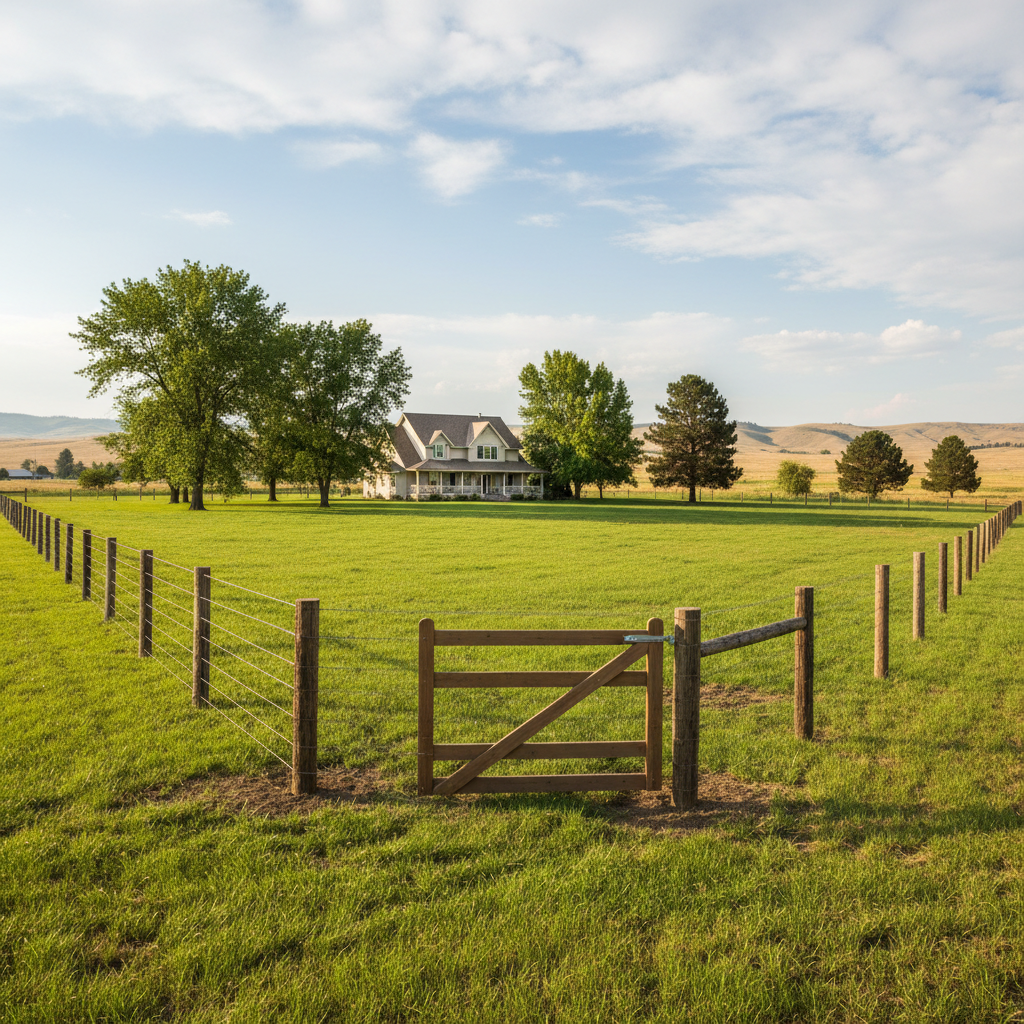
Planning a farm fence project isn't like putting up a little picket fence in your front yard. It's a big deal. You're talking about protecting livestock, defining property lines, and making a significant investment in your land. I've seen a lot of these projects over the years, and the ones that go smoothly always have one thing in common: good planning. So, let's talk about what you need to know.
Setting Your Project Timeline
Don't wait until the cows are out to think about a new fence. Seriously. A good farm fencing project usually needs a decent lead time. I tell folks to start thinking about it at least 3-6 months out from when they want the fence done. Why so long? Well, first, you've got to decide what kind of fence you need. High-tensile wire? Woven wire? Barbed wire? Something else entirely? That takes some research and talking to contractors.
Then there's the contractor's schedule. Good crews, like mine at Moses Lake Fencing, are often booked out. Especially in spring and fall when the weather's just right for outdoor work. If you're looking at a big project, say several miles of cross-fencing or perimeter fencing, that's not something we can just squeeze in next week. Materials also play a role. Specialized posts, gates, or certain types of wire might have longer delivery times, especially if there's a supply chain hiccup. Weather is always a factor here in Moses Lake too; those spring winds can really slow down post-driving, and frozen ground in winter is a non-starter for digging.
What to Expect During the Process
Once you've picked your contractor and signed a contract, here's a general rundown of what'll happen. First, we'll do a final site visit to confirm measurements, discuss any last-minute changes, and mark out the fence line. This is where we'll identify any potential issues like rocky areas (we've got plenty of basalt out here, so that's common) or tricky terrain.
Next comes material delivery. We'll get all the posts, wire, gates, and hardware brought to your property. Then the real work starts: clearing the fence line. This might involve removing brush, old fence, or small trees. After that, it's post-driving or digging holes for posts, depending on the type of fence and ground conditions. We'll set corner posts and line posts, making sure they're solid and properly spaced. Then comes the stretching and attaching of the wire, installing gates, and making sure everything is tensioned correctly and secure. It's a physical, demanding job, and it takes time to do it right.
How to Prepare Your Property
You can really help things move along by doing some prep work yourself. First and foremost, know your property lines. Get a survey if you're not absolutely certain. Nothing holds up a project faster than a boundary dispute. Clear the fence line as best you can. Mow down tall grass, remove any obvious debris, and mark any underground utilities you know about. Even if we call for locates, knowing where your septic lines or irrigation pipes are is a huge help.
Think about access for our equipment. Can a truck and trailer get to where we need to work? Are there any gates we'll need opened or closed regularly? If you've got livestock, plan for where they'll be during the construction. You don't want them getting in the way or, worse, getting out. Having a clear, safe work area makes a big difference in efficiency and safety for everyone.
Questions to Ask Before Signing a Contract
Before you put your name on the dotted line, make sure you've got all your questions answered. Don't be shy. Ask about their experience with farm fencing specifically. How long have they been doing it? Can they provide references for similar projects? What kind of warranty do they offer on their work and materials?
Get a clear breakdown of the costs. What's included? What's extra? Are there any potential hidden fees? Ask about their insurance and licensing – you want to make sure they're properly covered. What's their estimated timeline for completion, and what happens if there are delays? How do they handle changes to the scope of work once the project has started? A good contractor will be upfront and happy to answer all your questions. If they're vague or get defensive, that's a red flag. You're making a big investment, so be confident in who you're hiring.