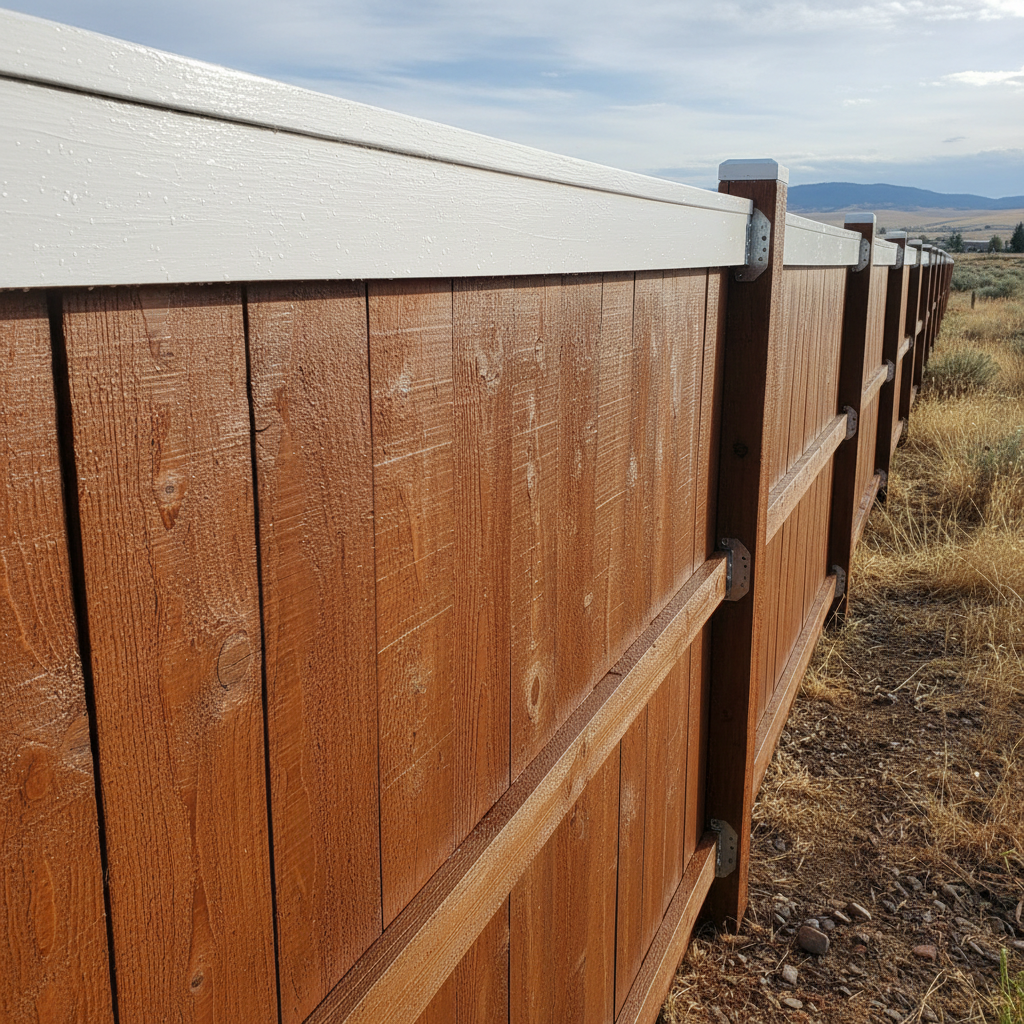
Alright, let's talk about sprucing up that fence of yours. Maybe you've got a good wood fence, perhaps we even put it in for you here at Moses Lake Fencing, and now you're wondering about staining or painting it. It's a common question, and honestly, it can make a huge difference not just in how your property looks, but also in how long that fence lasts. So, is it a weekend DIY job, or should you call someone like me?
Before You Even Think About Brushes or Sprayers
First things first, you can't just slap new stuff on old stuff. Your fence needs to be clean, dry, and in good repair. If you've got loose boards, fix 'em. If there's rot, replace the section. Don't try to paint over problems; they'll just show through eventually, and then you'll be doing the work twice.
Cleaning is crucial. For most fences, a good power wash is the way to go. You want to knock off all that dirt, mildew, and any loose, peeling paint or stain. Be careful with the pressure washer, though; too much power, too close, and you can gouge the wood. I've seen folks practically strip the grain right off their fence doing that! Aim for a fan spray, keep it moving, and hold it a foot or so away. If you've got a lot of mildew, a bleach and water solution (about 1 part bleach to 3 parts water) applied with a garden sprayer works wonders. Just let it sit for 15-20 minutes, then rinse it off. Oh, and make sure to protect any plants nearby.
Once it's clean, let it dry. And I mean *really* dry. In Moses Lake, with our dry summers, that might only take a day or two, but if it's been humid or rainy, give it a few days. You definitely don't want to trap moisture under your new finish.
Stain vs. Paint: What's the Difference?
This is where personal preference and practical considerations come in. Both protect the wood, but they do it differently and look different.
- Stain: Stain penetrates the wood, enhancing its natural grain. It comes in transparent, semi-transparent, and solid colors. Transparent and semi-transparent stains let the wood's character show through, which I really like for cedar or redwood. Solid stains cover more like paint but still let some of the wood texture show. Stains tend to wear down over time, fading or thinning, rather than peeling. This makes re-application generally easier – often just a good cleaning and then another coat.
- Paint: Paint sits on top of the wood, forming a protective film. It offers a completely opaque finish, hiding the wood grain entirely. Paint usually provides a more durable, longer-lasting finish than transparent stains, but it's more prone to chipping and peeling, especially on fences that take a beating from our winds or sun. When paint starts to fail, you're usually looking at scraping, sanding, and priming before you can repaint. That's a lot more work.
For most wood fences, especially new ones, I usually recommend a good quality stain. It's easier to maintain in the long run, and it lets the natural beauty of the wood shine. If you've got an older fence that's seen better days, or you really want a specific color, paint might be the way to go. Just be prepared for more prep work down the line.
The Application Process: DIY or Pro?
Okay, so you've cleaned, you've chosen. Now for the actual work. This is where the DIY vs. Pro decision really comes into play.
DIY Considerations:
- Time: Staining or painting a fence, especially a big one, takes a lot of time. Cleaning, drying, then applying two coats (which I always recommend for proper protection) can easily eat up a few weekends.
- Equipment: You'll need brushes, rollers, or a sprayer. A good quality sprayer can speed things up immensely, but they take practice to use without drips or overspray. If you're spraying, you'll also need to mask off anything you don't want painted, like your neighbor's car or your prize-winning petunias.
- Patience: It's not a race. Even strokes, good coverage, and letting each coat dry properly are key.
- Physical Effort: Bending, reaching, repetitive motions – it's a workout.
If you've got a small fence, the time and effort might be worth it for the cost savings. But if you've got hundreds of feet of fence, especially if it's tall or has intricate details, you might quickly find yourself regretting the decision.
Why Call a Pro (like us at Moses Lake Fencing):
- Experience: We know the best products for our local climate, how to prep properly, and how to apply finishes efficiently and effectively. We've dealt with all sorts of fence conditions.
- Equipment: We've got professional-grade sprayers and tools that get the job done faster and with a more consistent finish. We also know how to control overspray, which is a big deal around here with our wide-open spaces and occasional breezes.
- Time Savings: This is a big one. We can get it done in a fraction of the time it would take a homeowner.
- Quality: A professional job usually means a more even, durable finish that will last longer and look better.
- Safety: We're insured, and we know how to handle the chemicals and equipment safely.
For most homeowners, especially with larger fences, calling a pro for staining or painting is often a smart investment. You save your back, your time, and you get a result that really protects your fence and boosts your curb appeal.
After the Job is Done
Once your fence is stained or painted, the hard work is mostly over. Keep an eye on it. Depending on the product you used and how much sun and weather it gets, you might need to re-stain every 3-5 years, or repaint every 5-10. Look for signs of fading, chipping, or peeling. Catching it early means less prep work for the next go-around. A quick wash with a garden hose once or twice a year to remove dirt and cobwebs will also help keep it looking fresh.
Protecting your fence is just as important as protecting your home. It's an investment, and a good finish keeps it looking good and standing strong for years to come.