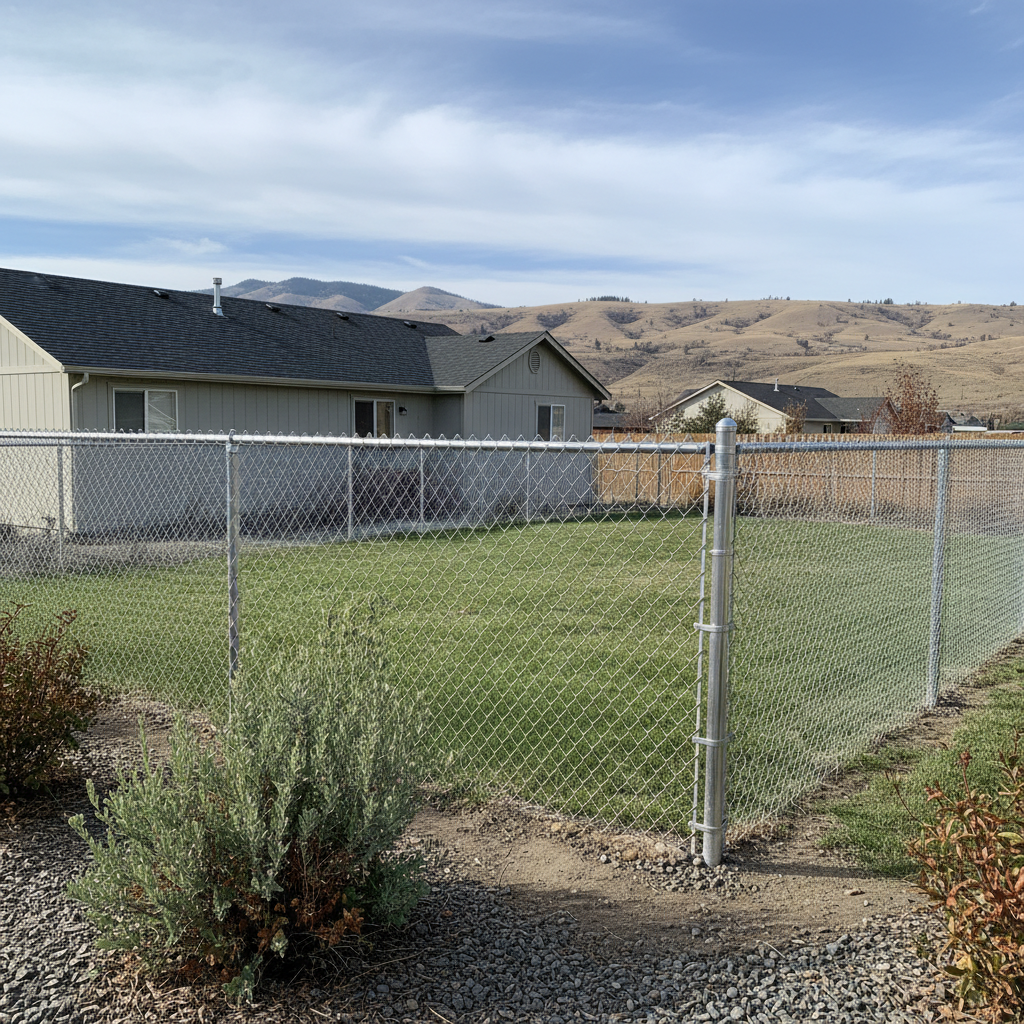
So, you've got a chain link fence. Maybe you just had it installed, or maybe it's been there for years, doing its job. A lot of folks think chain link is indestructible, practically maintenance-free. And yeah, it's tough, especially the galvanized or vinyl-coated stuff we install at Moses Lake Fencing. But 'maintenance-free' isn't the same as 'ignore it completely.' A little bit of care goes a long way in making sure your fence lasts as long as it should, saving you headaches and money down the line.
Extending Your Chain Link Fence's Life
The biggest thing you can do to extend the life of your chain link fence starts with the installation itself. If it's done right, with proper post depth for our sandy, sometimes volcanic soil around here, and good tensioning, you're already ahead. But once it's up, you're looking at protecting it from the elements and everyday wear and tear.
For galvanized fences, that zinc coating is your first line of defense against rust. For vinyl-coated fences, the plastic layer does the job. The key is to keep these protective layers intact. That means avoiding anything that scrapes or cuts them. Don't lean heavy, sharp objects against the fence for long periods. If you're trimming hedges or mowing, be careful not to ding the posts or tear the mesh. Small nicks might not seem like a big deal, but they're entry points for moisture, and that's where rust starts.
Another thing is keeping the area around the fence clear. We get some pretty strong winds here in Moses Lake, especially during spring and fall. If you've got branches or debris piled up against the fence, those winds can turn them into abrasive tools, rubbing away at the coating. Plus, overgrown vegetation can trap moisture against the metal, which is a big no-no for longevity.
Regular Maintenance: What to Look For
You don't need to inspect your fence with a magnifying glass every day, but a quick walk-around once or twice a year, maybe after the snow melts and again before winter sets in, is a smart move. Here's what I tell my customers to keep an eye on:
- Tension: Is the mesh still taut? Chain link fences are designed to be under tension. If it's sagging, especially between posts, that's a sign it might need tightening. Loose mesh can flap in the wind, causing more wear and tear, and it's easier for pets or kids to push through.
- Posts: Are the posts still plumb (straight up and down)? Our ground can shift a bit with the freeze-thaw cycles we get, even if it's not as dramatic as some other places. A leaning post means the concrete footing might be compromised, or the post itself is bending.
- Rust Spots: For galvanized fences, look for any reddish-brown spots. These are usually where the zinc coating has been scratched or worn away. For vinyl-coated fences, look for bubbles or cracks in the vinyl, especially around fittings or where the mesh attaches to the posts.
- Fittings and Hardware: Check all the nuts, bolts, tension bands, and ties. Are they all there? Are they tight? Sometimes, vibrations from wind or gates opening and closing can loosen things up. Make sure gate hinges are lubricated and latches are working smoothly.
- Weeds and Debris: Keep the fence line clear. Weeds growing up through the mesh can hold moisture and eventually cause problems. Remove any trash, leaves, or branches that have accumulated against the fence.
If you spot minor rust on a galvanized fence, you can often clean it with a wire brush and apply a cold galvanizing paint to touch it up. For vinyl-coated fences, small tears in the vinyl can sometimes be patched with a specialized vinyl repair kit, but it's often a temporary fix.
Warning Signs of Bigger Problems
Some issues are more than just cosmetic. If you see any of these, it's time to pay closer attention:
- Multiple Leaning Posts: One slightly leaning post might be an easy fix. Several posts leaning significantly, or posts that are wobbly when you push on them, suggest a bigger issue with the footings or the ground itself.
- Widespread Sagging or Looseness: If large sections of your fence mesh are consistently loose or sagging, it indicates that the tensioning system is failing, or the terminal posts aren't holding properly.
- Broken or Missing Mesh: A small hole might be fixable, but large sections of torn or missing mesh mean the integrity of the fence is compromised. This often happens from impacts (like a car backing into it) or prolonged stress.
- Severe Rust or Corrosion: If rust is widespread, flaking off in large chunks, or has eaten through the metal in places, the fence is likely nearing the end of its functional life.
- Gate Malfunctions: A gate that won't close properly, drags on the ground, or has severely rusted hinges or latches isn't just an inconvenience; it's a security risk.
When to Call a Professional
Look, I'm all for DIY, but some jobs are best left to the pros. If you're seeing any of those bigger warning signs I just mentioned, or if you're just not comfortable tackling a repair, that's when you give us a call. We've got the specialized tools and experience to properly re-tension a fence, reset posts, or replace damaged sections without compromising the rest of the structure.
Trying to force a leaning post straight can sometimes crack the footing even more. Improperly tensioning a fence can lead to it being too tight (which stresses the posts) or still too loose. And if you've got a gate that's constantly sticking, we can often adjust the hinges or replace components to get it swinging freely again.
The goal is to catch problems early. A little preventative maintenance or a small repair now can prevent a full fence replacement later. Your chain link fence is an investment in security and property definition, and with a bit of care, it'll serve you well for decades here in Moses Lake.